
Andhra Pradesh Approves ₹2,550 Crore Cathode Materials Facility in Chittoor
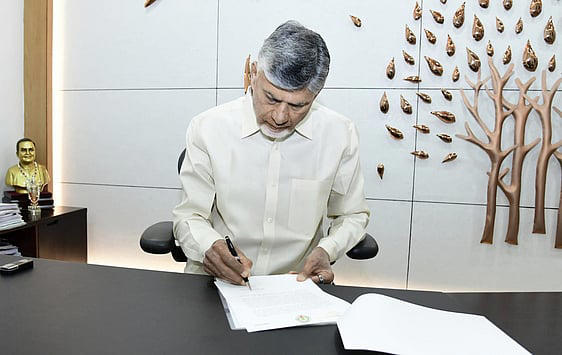
In a significant step toward strengthening India’s electronics and advanced materials ecosystem, the Government of Andhra Pradesh has approved a ₹2,550 crore investment by NPSPL Speciality Chemicals Private Limited to establish a cathode material manufacturing facility in Chittoor district.
The proposed plant will come up over 105 acres in Gudupalle mandal and is expected to play a pivotal role in localising one of the most critical components in the lithium ion battery value chain. Cathode materials are central to battery performance, directly influencing energy density, lifecycle, safety, and efficiency. They are indispensable across a wide range of high growth sectors, including electric vehicles, consumer electronics, energy storage systems, and electronics hardware. In effect, modern battery systems and modern electronics are fundamentally dependent on cathode technology.
The project aligns Andhra Pradesh with two major global shifts: the rapid expansion of electronics manufacturing and the accelerating transition toward electrification and clean energy. Cathode materials account for a substantial portion of battery costs, making them a strategic element in the overall supply chain. By building domestic capacity in this segment, India can reduce dependence on imports, particularly from concentrated global sources, while strengthening its position in electric mobility, renewable energy, and electronics manufacturing.
Approved under the Andhra Pradesh Electronics Component Manufacturing Policy 4.0 2025 to 2030, the project has been classified within the sub assemblies and bare components supply chain category, highlighting its foundational importance. As one of the first ten projects sanctioned under the policy, it will benefit from early mover advantages along with a customised incentive package. The state government has extended capital subsidies, a 100 percent exemption on electricity duty for ten years, power cost reimbursement, and classification under high energy intensive industries to ensure faster execution and enhanced competitiveness.
Beyond direct investment, the facility is expected to generate around 400 jobs and catalyse a broader industrial ecosystem spanning battery manufacturing, EV supply chains, electronics hardware production, and ancillary chemical and materials industries. More importantly, it strengthens India’s upstream integration in battery and electronics manufacturing, an area that is critical for long term technological capability and economic resilience.
As global supply chains continue to realign and demand for batteries surges, cathode materials have emerged as a key strategic bottleneck. With this project, Andhra Pradesh is not merely attracting investment but positioning itself and India at the core of the future electronics and energy economy.