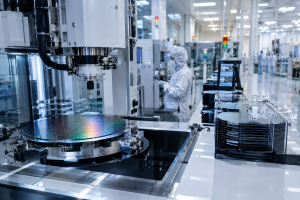

AI-Fueled Wafer Shortage May Persist Until 2030: SK Group
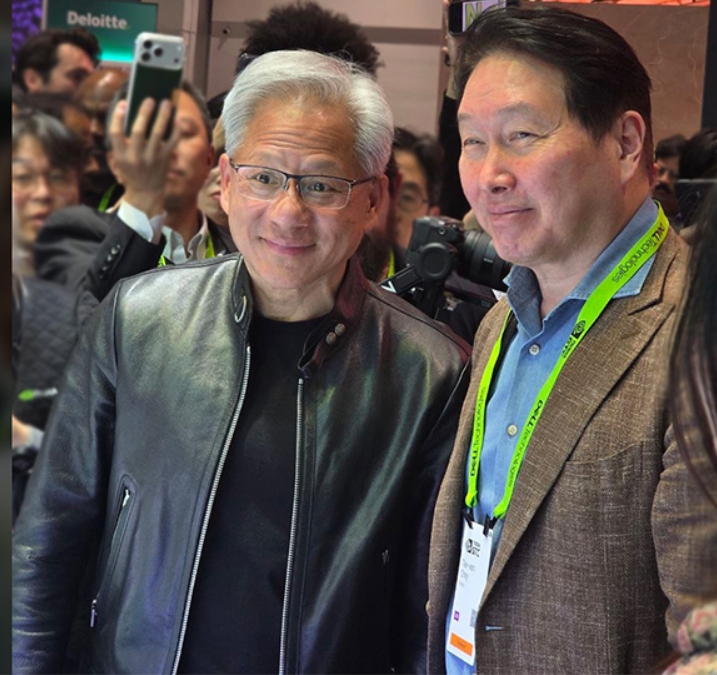
Photo Credit: news.skhynix.com
SK Group’s Chairman Chey Tae-won isn’t sugarcoating it: the world’s short on semiconductor wafers, and this crunch could drag on until 2030. He brought up the issue at Nvidia’s GTC conference, pointing out how the exploding demand for artificial intelligence keeps pushing the need for high-bandwidth memory—something that depends heavily on wafer capacity.
SK Hynix, which makes HBM chips, is thinking about listing an ADR in the U.S. That move could draw more international investors and boost their global profile. At the same time, the company’s working out ways to keep DRAM prices steady, especially with markets so jumpy.
Chey also made it clear that building new fabs overseas, like in the U.S., isn’t simple. There are hurdles everywhere—utilities, infrastructure, and finding enough skilled workers. The company’s leaning toward keeping most of its production in South Korea for now.
He mentioned that political tensions and rising energy costs are making things even tougher, so SK Group is hunting for other energy sources. Even with all these obstacles, they’re staying focused on getting chips to meet the fast-growing AI demand. But the wafer shortage could get worse, with supply gaps going above 20% in the next few years. If chipmakers want to survive and grow, they’ll need to invest big and plan for the long haul because this isn’t a momentary blip—it’s going to shape the industry for years.
Source: The Economic Times