
Centre Likely to Extend ISM 2.0 Tenure to 12 Years to Accelerate Semiconductor Growth
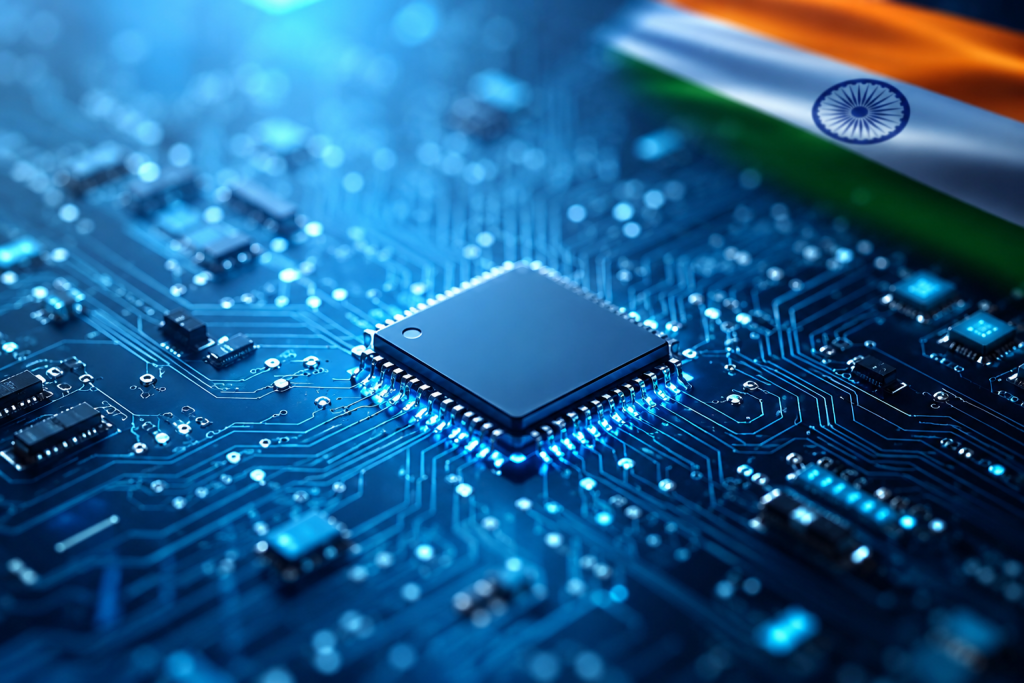
The Government of India is reportedly considering extending the tenure of the India Semiconductor Mission (ISM) 2.0 from the existing framework to a longer 12-year period, signaling a strong commitment towards building a globally competitive semiconductor ecosystem in the country.
The proposed extension comes amid increasing investments, new project approvals, and India’s growing ambitions to emerge as a major hub for semiconductor manufacturing, chip packaging, and advanced electronics production.
Earlier this month, the government approved two additional semiconductor projects worth nearly ₹4,000 crore under the first phase of the ISM initiative. These projects are expected to be among the final approvals under the current phase of the scheme.
Crystal Matrix and Suchi Semicon Receive Approvals
Crystal Matrix Limited has received approval for a project involving investments of approximately ₹3,068 crore. The company is expected to manufacture Gallium Nitride semiconductor chip wafers designed for mini and micro LED display modules.
Meanwhile, Suchi Semicon Limited secured approval for an investment of around ₹868 crore. The company’s OSAT unit in Surat is already operational and has now been approved to package lead-frame and wire-bond semiconductor chips used in appliances such as refrigerators and air conditioners.
India Deepens Semiconductor Ambitions
India’s semiconductor strategy has gained momentum over the past few years with strong policy support, fiscal incentives, and increased industry participation. The ISM framework has been central to attracting investments across semiconductor fabrication, ATMP/OSAT facilities, compound semiconductors, and display technologies.
Industry experts believe extending the scheme tenure could provide long-term policy stability, improve investor confidence, and support the development of a complete semiconductor value chain in India.
The move also aligns with the country’s broader vision of strengthening domestic electronics manufacturing capabilities and reducing dependence on imports in critical technology sectors.
Long-Term Ecosystem Development
With global supply chains undergoing strategic realignment, India is positioning itself as an emerging semiconductor destination supported by infrastructure development, government incentives, and rising domestic demand for electronics and smart devices.
The likely extension of ISM 2.0 is expected to encourage additional investments in semiconductor research, manufacturing, packaging, and advanced materials while generating high-value employment opportunities across the technology sector.