
India Deploys 37 Supercomputers Under NSM, Achieves 40 Petaflops Power
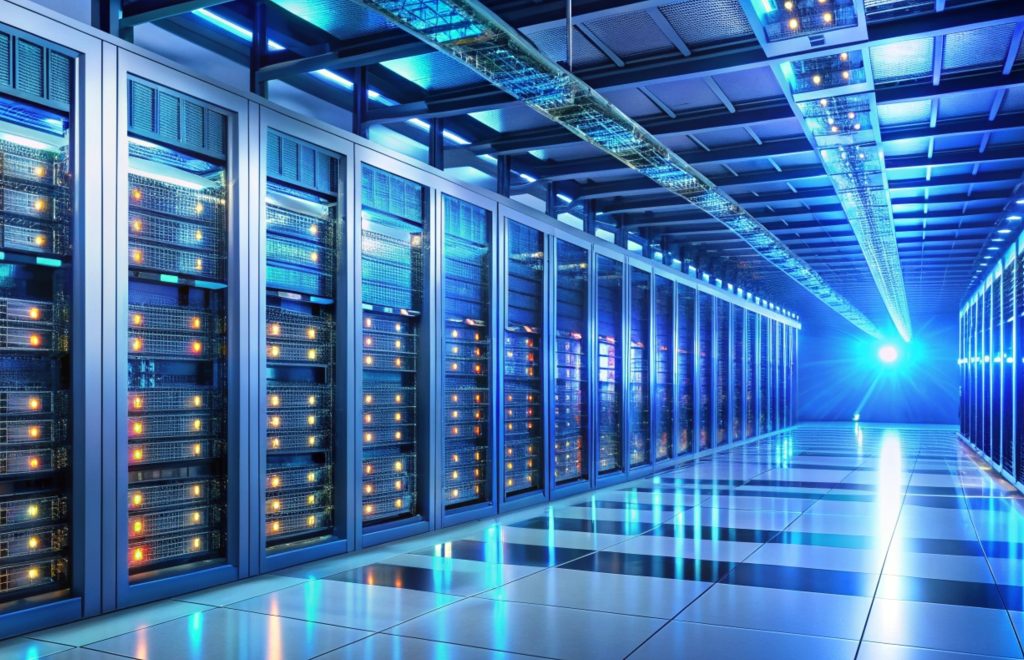
The National Supercomputing Mission (NSM) has successfully deployed 37 supercomputers across India, offering a combined computing power of 40 petaflops. This deployment aims to support high-end research and promote self-reliance by ensuring advanced computing facilities are available to scientists, researchers, startups, and academic institutes.
Launched in April 2015 with an initial budget of ₹4,500 crore, NSM is implemented jointly by the Ministry of Electronics and Information Technology (MeitY) and the Department of Science & Technology (DST), through agencies such as C-DAC, Pune, and the Indian Institute of Science (IISc), Bengaluru.
Among these systems are the domestically developed “PARAM Rudra” supercomputers, built using India-designed hardware and software stacks. These machines are accessible to young researchers, scientists, engineers and academic institutions for advanced studies.
Over the past five years alone, 34 of these supercomputers have been deployed. Additional deployment of six new high-performance systems is underway, with a budget outlay of ₹680 crore. The upcoming systems will be installed in premier research institutes including IITs, C-DAC centers, R&D labs, and institutions in tier-II and tier-III cities.
The existing supercomputers are already proving their value: they support more than 13,000 researchers including over 1,700 PhD scholars from around 260 academic and research institutions. To date, they have completed over one crore compute jobs, leading to more than 1,500 research papers published in reputed journals.
The NSM infrastructure is being utilised across critical areas such as drug discovery, climate modelling, disaster management, energy research, astronomy, materials science, aerospace engineering and computational chemistry. Government agencies like India Meteorological Department, Oil and Natural Gas Corporation (ONGC), Central Water Commission (CWC), and Central Pollution Control Board (CPCB) are among those benefiting from these high-performance resources.
By developing and manufacturing key supercomputing components domestically, including server boards, high-speed interconnect networks, cooling technologies and system-software stacks, the mission strengthens India’s technological independence. It also includes a compact “supercomputing-in-a-box” solution called PARAM Shavak to serve the needs of smaller institutions, universities and educational institutes.
Source: PIB