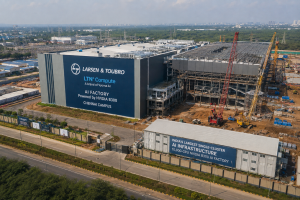

Tata Electronics to Build Intel Chips, AI Laptops at $14 Billion Plants
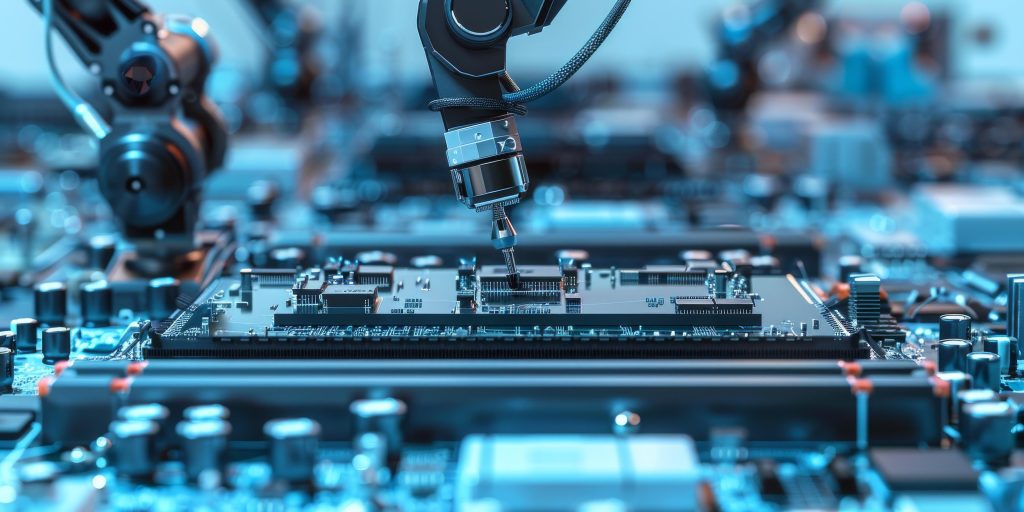
Robotic arm installing microchip on circuit board
Tata Electronics is set to make one of the biggest advances in India’s technology manufacturing landscape with plans to produce Intel chips and AI-powered laptops at two upcoming semiconductor plants. With a combined investment of nearly $14 billion, this marks a major milestone in India’s push to build a strong and self-reliant semiconductor ecosystem. The move signals a new era where India aims to become a competitive player in the global chip supply chain.
The company is developing two large facilities, a semiconductor fabrication plant in Gujarat and an assembly and testing unit in Assam. The Gujarat fab will serve as the core manufacturing hub, producing the silicon chips, while the Assam unit will focus on packaging, testing and preparing these chips for final use. Together, these plants will create India’s first full end-to-end chip-making ecosystem, an important step for a country that has long depended on global imports for semiconductors.
A key highlight of this development is Intel becoming Tata Electronics’ first major customer. Under this partnership, Tata will manufacture and package Intel’s advanced PC and AI-focused chips in India. Both companies also plan to jointly produce AI-powered laptops, strengthening India’s presence in the global computing and electronics market. These devices are expected to meet the rising demand for AI-ready PCs across consumers, businesses and government sectors.
Tata’s entry into semiconductor fabrication marks a breakthrough in India’s long-term strategy to reduce imports and build advanced technology capabilities within the country. The project is expected to generate thousands of direct and indirect jobs, support local supply chains and enhance India’s position in the global electronics manufacturing landscape.
The Assam assembly unit is expected to start operations first, while the Gujarat fab will take longer due to its complex technology requirements. Once both plants are fully operational, India will begin producing chips for personal computing, AI applications and next-generation electronics — a development that could finally position the country as a significant contributor to the global semiconductor industry.
Source: Financial Express