
Rising Chip Shortage Pushes Phone Prices Up, OPPO Focuses on Value
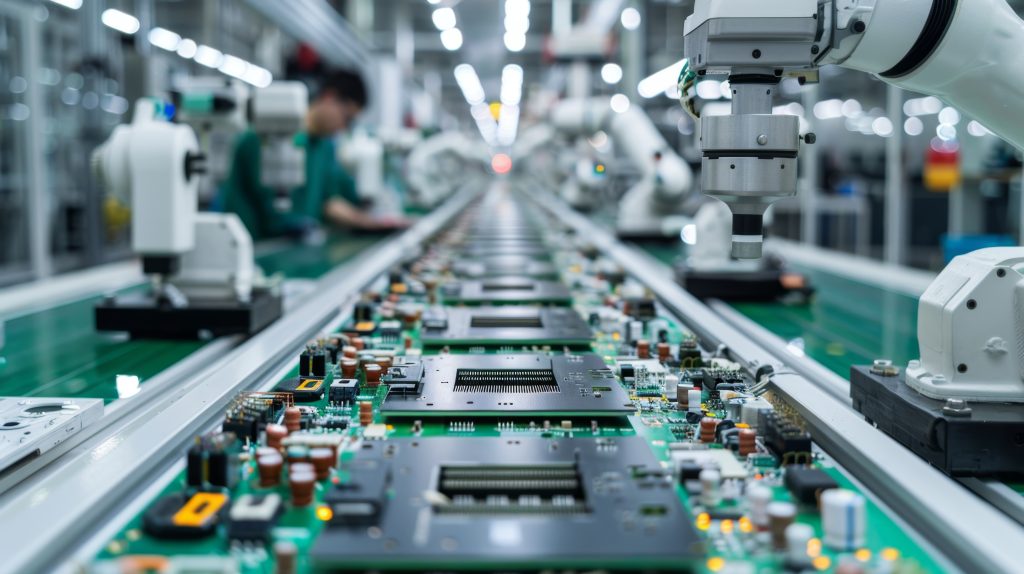
Global smartphone prices are under pressure as a severe shortage of memory chips continues to disrupt the technology supply chain. The current crunch in DRAM and storage chips is being driven largely by the rapid expansion of artificial intelligence data centres, which consume massive volumes of the same memory used in smartphones. As a result, supply for consumer devices has tightened, pushing component costs higher. Market research firm IDC warns that this imbalance may continue until at least 2027, raising concerns that smartphone prices could rise further in the coming years.
Despite these challenges, OPPO believes consumers are not reacting with panic and are instead becoming more thoughtful buyers. According to Goldee Patnaik, Head of Brand Communications at OPPO India, customers are willing to spend more if they see clear value, innovation, and ease of use. Rather than switching to cheaper phones impulsively, buyers are taking time to research and choose devices that meet their long-term needs. IDC also notes that higher prices are likely to lengthen upgrade cycles, especially in price-sensitive markets like India.
Today’s smartphone buyers are focusing less on flashy specifications and more on real-life performance. Features such as camera quality, battery life, software longevity, and overall comfort in daily use matter more than raw numbers on paper. This shift is also shaping how artificial intelligence is being adopted in smartphones. While AI features are becoming common, users expect them to deliver practical benefits rather than novelty. Counterpoint Research reports that GenAI smartphones grew from 3% of shipments in early 2024 to 13% in the first half of 2025, highlighting how quickly AI has become mainstream.
OPPO’s strategy is to keep AI simple and useful. With the launch of the Reno15 series, the company has introduced AI-powered photography and editing tools designed for everyday use, focusing on creativity and productivity rather than processing power alone. At the same time, OPPO is strengthening its presence in Tier-2, Tier-3, and smaller cities, where offline trust, service support, and accessibility play a crucial role in purchase decisions.
The company is also responding to changing preferences by reintroducing compact smartphones. The Reno15 Pro Mini offers flagship features in a smaller form factor, reflecting growing demand for devices that are easy to use without compromising performance. As component costs rise, OPPO’s focus remains on meaningful features and long-term value rather than inflated specifications.
Source: The Economic Times